
IMO MEPC 84
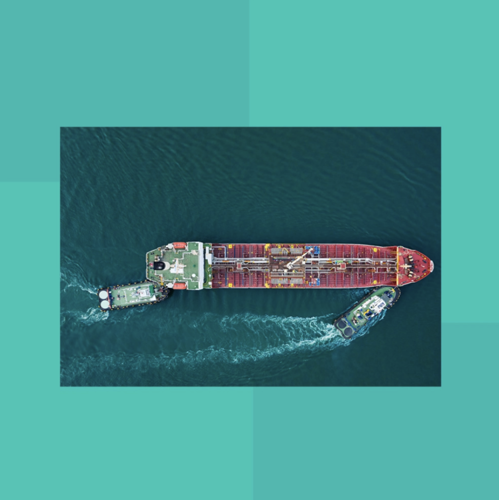
New ECA Regulations for the North Atlantic
Stricter sulfur limits, NOx Tier III requirements, and enhanced fuel transparency measures will reshape compliance and fuel strategies across the North Atlantic fleet.
The maritime industry is preparing for another significant regulatory shift following the outcomes of the 84th session of the IMO Marine Environment Protection Committee (MEPC 84). One of the most impactful developments is the formal establishment of the new North-East Atlantic Emission Control Area (ECA), introducing stricter environmental requirements for vessels operating across the region.
The newly designated North-East Atlantic ECA will apply enhanced controls for Nitrogen Oxides (NOx), Sulfur Oxides (SOx), and Particulate Matter emissions. The decision marks a major milestone in the IMO’s broader strategy to reduce air pollution and improve environmental performance throughout international shipping.
From September 2028, vessels operating within the North-East Atlantic ECA will be required to comply with a maximum fuel sulfur content of 0.10%, significantly tightening fuel specifications for ships trading in the area. This development will have direct implications for fuel procurement strategies, voyage planning, and operational compliance across the North Atlantic fleet.
In addition to sulfur regulations, stricter NOx Tier III standards will also apply to vessels operating in the new ECA under specific construction timelines. The requirements will affect ships with a building contract placed on or after 1 January 2027, or where keel laying takes place on or after 1 July 2027, with delivery occurring on or after 1 January 2031.
MEPC 84 also introduced further measures aimed at increasing transparency around fuel consumption and emissions reporting. From September 2027, access to the IMO Ship Fuel Oil Consumption Database (DCS) will be expanded, allowing for broader verification and transparency of emissions-related data within the industry.
Another important development concerns the Energy Efficiency Design Index (EEDI). Updated guidelines will now better accommodate dual-fuel engines, liquid alternative fuels, and hybrid propulsion systems, reflecting the growing diversification of marine fuel technologies and supporting the sector’s transition toward lower-emission operations.
While global greenhouse gas negotiations will continue ahead of MEPC 85 later this year, the measures adopted during MEPC 84 already represent an immediate and mandatory operational shift for shipowners, operators, and bunker suppliers active in the North Atlantic region.
For the bunkering sector, these changes further emphasize the importance of fuel availability, compliance assurance, and strategic planning as environmental regulations continue to evolve.
Read the full Lloyd’s Register MEPC 84 Summary Report here.
For more information about how these regulatory changes may impact your fuel strategy or operations, please contact our team!